
One banking core.
Multiple institutions.
CoreWave CBA is a multi-tenant core banking platform for managing customers, accounts, transactions, deposits, lending, approvals, general ledger activity, reporting and connected digital channels through one controlled operational system.
The core should support growth,
not slow it down.
Fragmented systems force teams to repeat work, rebuild reports, reconcile disconnected records and wait for difficult integrations. CoreWave CBA brings essential banking activity into one controlled environment.
A shared operational source
Customer, account, product, transaction, loan, deposit, approval and ledger information can be managed through connected workflows rather than isolated records and offline reconstruction.
Configured around the institution
Products, permissions, workflows, limits, accounting mappings, reports, integrations and deployment responsibilities are scoped for each implementation.
Multi-tenant by
design.
CoreWave CBA can support multiple institutions or financial business entities within one governed platform while maintaining controlled institutional boundaries.
One platform foundation
Shared platform capabilities can be administered centrally while tenant-level products, users, branches, records, configurations and operating responsibilities remain separated according to the deployed architecture and access model.
Institution separation
Tenant-specific customers, accounts, transactions, products and operational records.
Tenant administration
Institution-level users, roles, branches, permissions and approval structures.
Independent configuration
Product rules, limits, fees, workflows, reports and accounting mappings configured for each institution.
Controlled access
Access boundaries and privileged operations managed through defined roles and attributable activity.
See the institution through
operational views.
Each area connects to the same underlying customer, account, transaction and financial information rather than becoming another disconnected module.
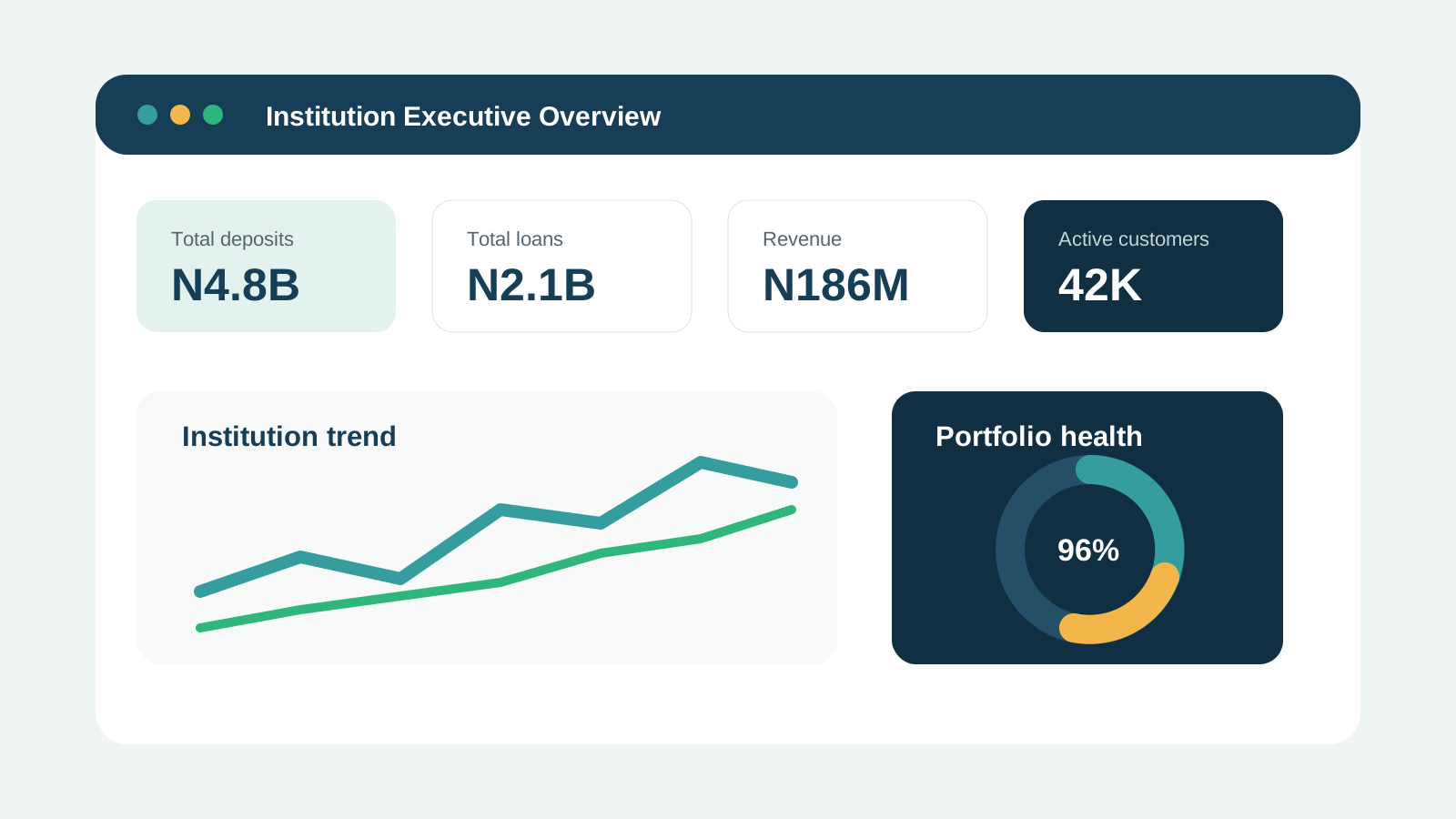
Institution-wide visibility
Review deposits, loans, revenue, customer activity, portfolio position and operational exceptions through a consolidated management view.
- Deposit and loan position
- Customer and transaction activity
- Portfolio and collection trends
- Operational exceptions and approvals
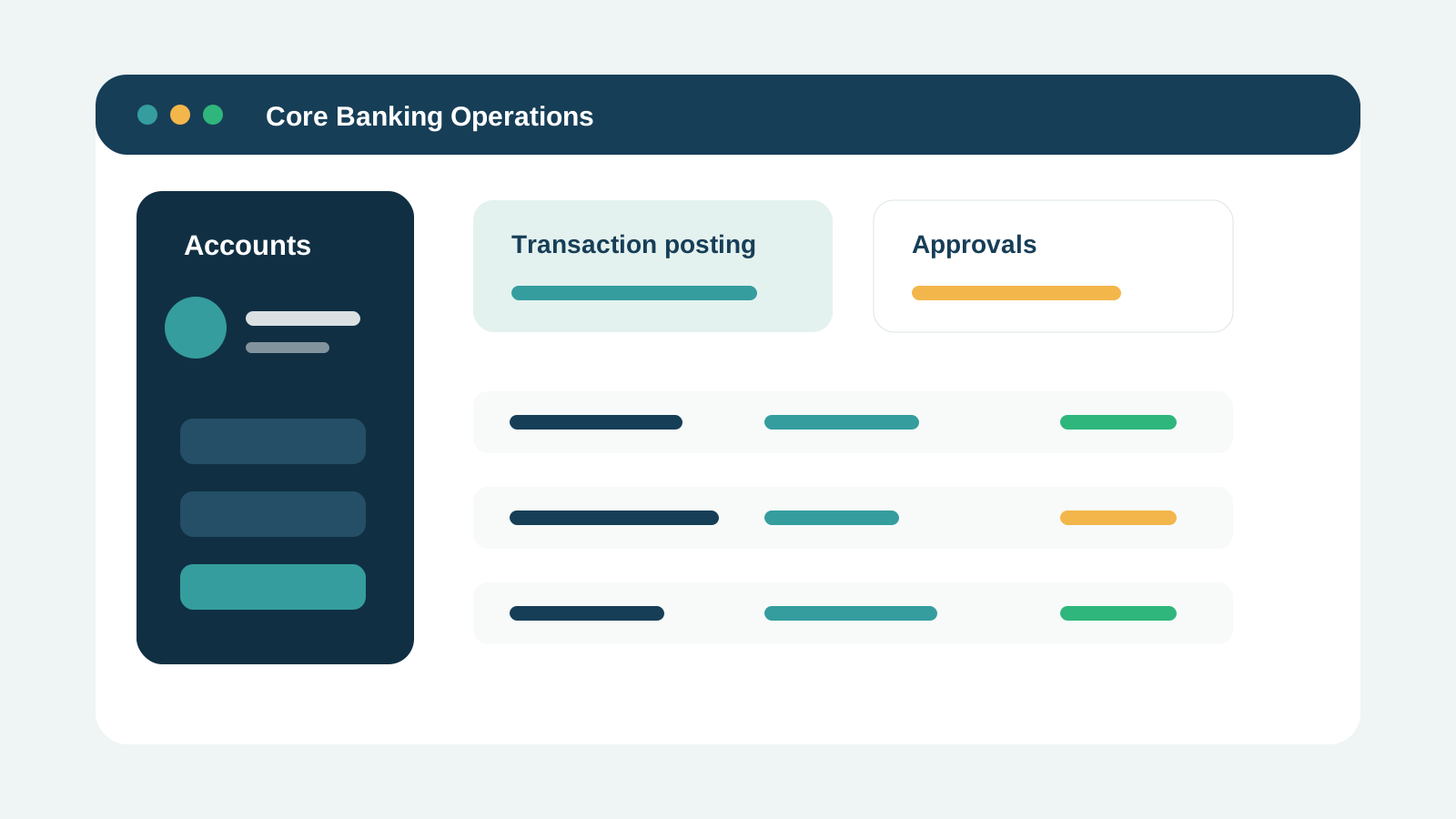
Accounts, postings and approvals
Manage customer accounts, internal postings, transfers, reversals, teller activity, limits and maker-checker approvals through controlled workflows.
- Customer and account servicing
- Transfers, postings and reversals
- Branch and teller operations
- Configurable approval stages
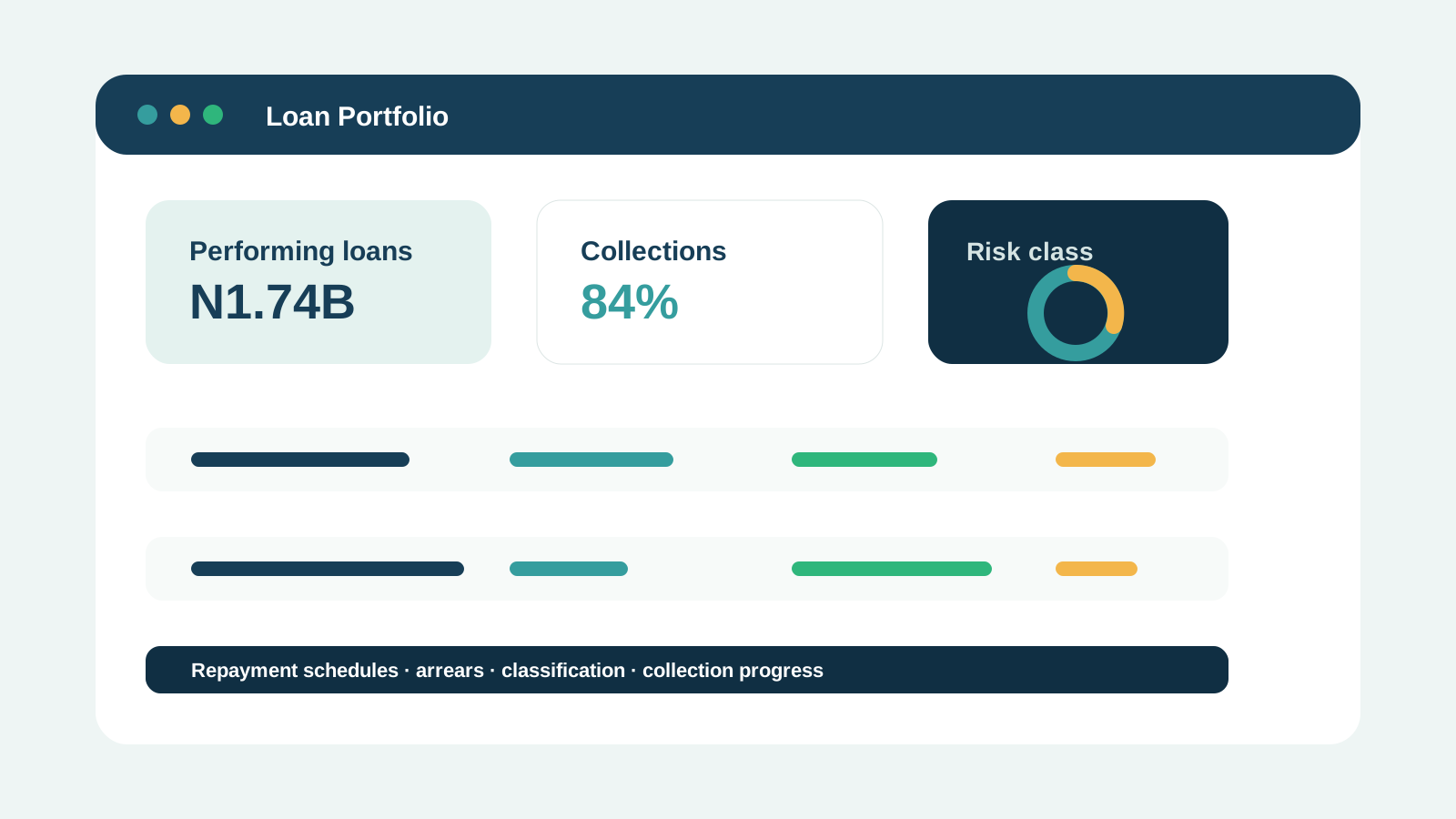
Origination through collection
Configure loan products and manage assessment, approval, disbursement, repayment schedules, arrears, restructuring and portfolio monitoring.
- Product and interest configuration
- Approval and disbursement workflows
- Repayment schedules and collections
- Arrears and portfolio classification
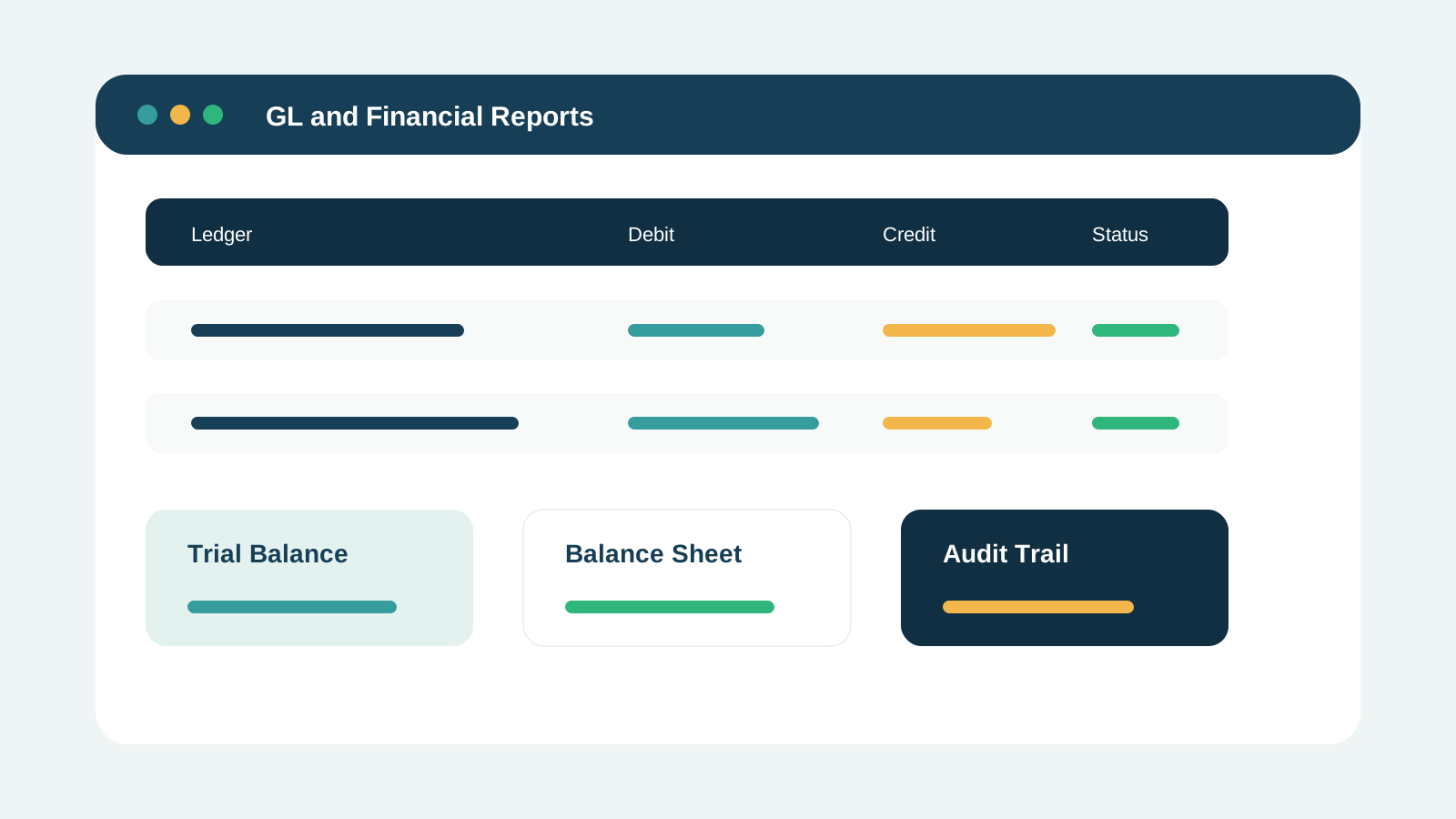
Financial activity connected to the ledger
Map product activity to ledger accounts and review journals, trial balance, financial statements, reconciliation and attributable audit history.
- General ledger mappings
- Journals and accounting periods
- Trial balance and financial outputs
- Reconciliation and audit records
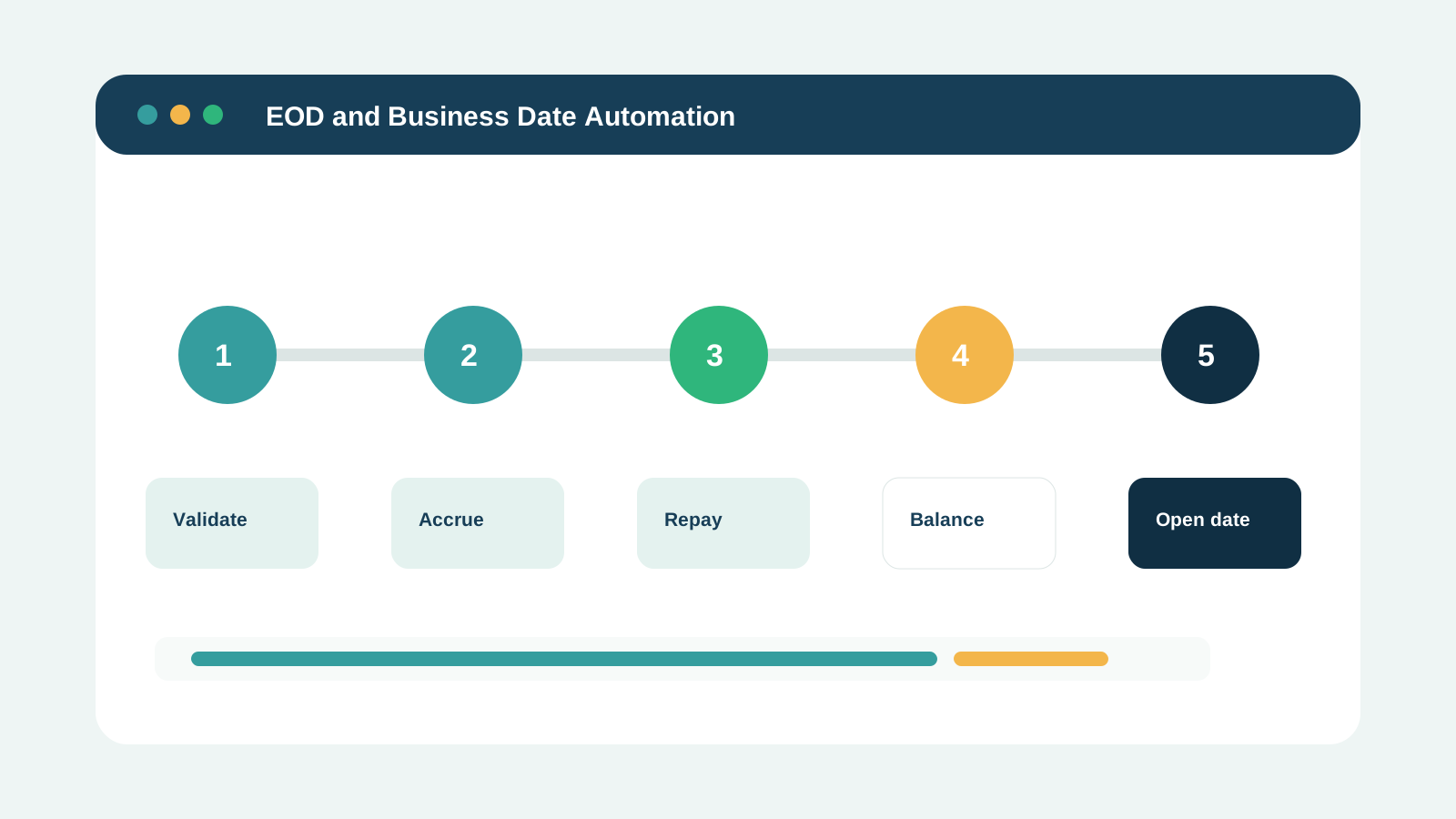
Controlled business-date processing
Coordinate end-of-day checks, accruals, depreciation, scheduled repayments, balancing and opening of the next business date through a visible workflow.
- Pre-close validation
- Accrual and depreciation processing
- Loan and deposit lifecycle events
- GL balancing and date opening
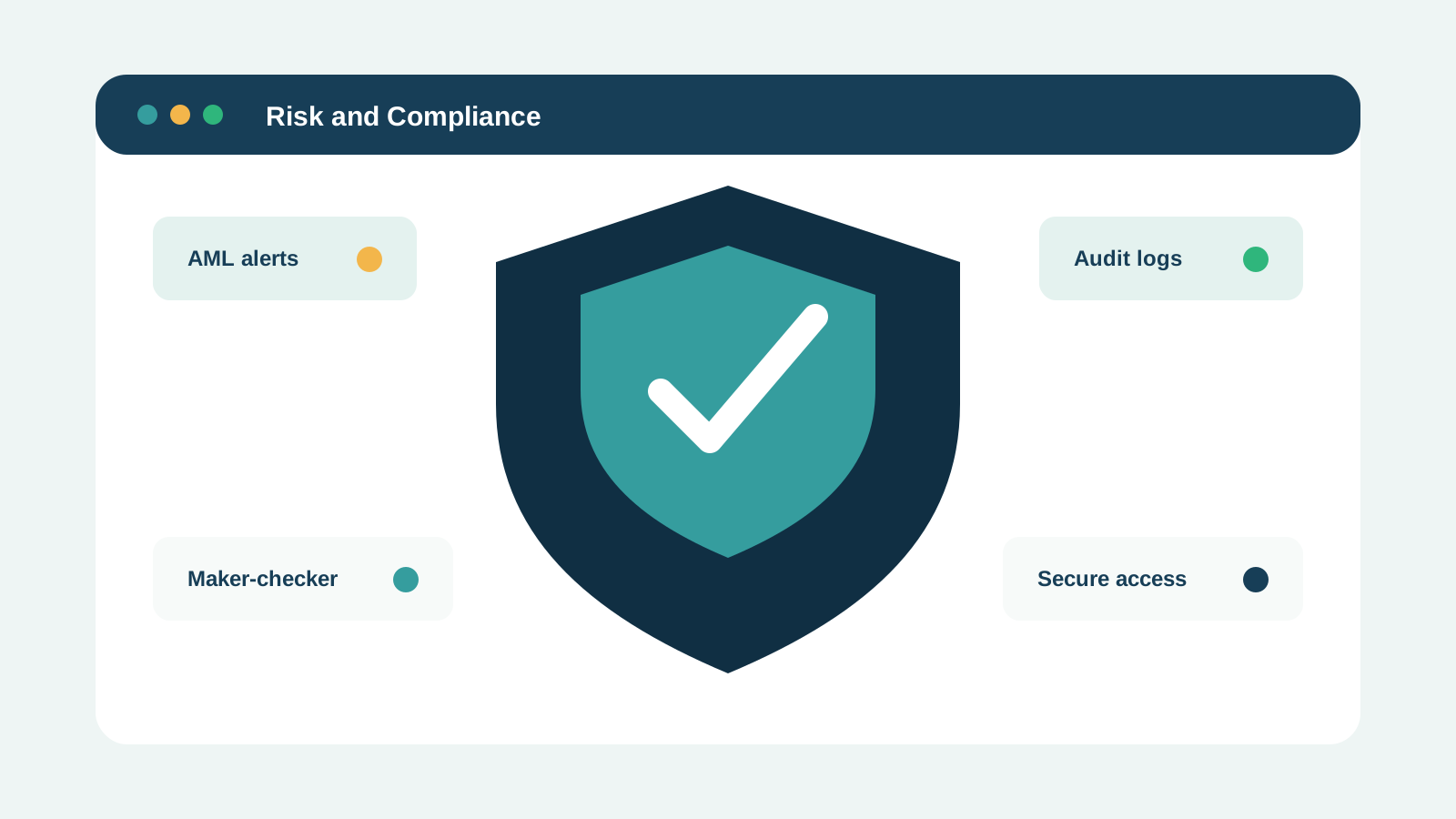
Controls around sensitive activity
Monitor selected exceptions, customer-review activity, privileged actions, approval requests and operational compliance information.
- Maker-checker controls
- Role and access monitoring
- Alert and exception review
- Audit and compliance visibility
The institution in one
operational core.
Module availability and configuration depend on the selected deployment scope, institution type and implementation requirements.
Customers and KYC
Customer records, identity information, relationships, mandates, restrictions and account-opening workflows.
Accounts and products
Account classes, fees, limits, status controls, interest rules and product-specific configuration.
Transactions
Postings, transfers, standing instructions, bulk activity, reversals, fees and transaction approvals.
Lending
Origination, schedules, disbursement, collection, delinquency, restructuring and portfolio reporting.
Deposits
Placements, accruals, maturity instructions, rollover, liquidation and accounting entries.
General ledger
Journals, mappings, branches, financial periods, trial balance and reconciliation.
Roles and approvals
Role-based permissions, maker-checker controls, approval levels and attributable activity.
Reports
Operational, management, finance and supported regulatory outputs based on current platform data.
Follow the banking
workflow.
The value of a core is clearer when the full operating journey is visible rather than presented as a disconnected list of modules.
Onboard
Capture customer details, identity records, relationships and required review information.
Open
Create the account and apply the selected product, limits, mandates and restrictions.
Transact
Process financial activity through configured roles, limits, approvals and statuses.
Service
Manage loans, deposits, scheduled events, exceptions and customer account changes.
Report
Generate operational and financial information from the same system supporting daily activity.
Built to connect around
the core.
Each approved integration should define its data flow, authentication, monitoring, reconciliation, retry behaviour and operational ownership.
Digital channels
Mobile applications, internet banking and approved USSD experiences.
Payments
Transfer, bill-payment, card and other payment-service integrations within the agreed scope.
Identity services
Identity-verification and onboarding services, including supported MeVerify connections.
Financial partners
Credit bureaus, reporting services and approved financial-service providers.
Operational services
Notifications, CRM, analytics, document and internal operational tools.
Custom APIs
Documented connections for approved institutional, partner and internal systems.
Implementation is a
controlled workstream.
Deployment and migration are planned around the institution’s data, products, integrations, operating controls and readiness—not treated as a simple software installation.
Discovery and fit
Review institution type, products, volumes, users, branches, channels, reports, controls, current systems and constraints.
Solution and tenant design
Define tenant structure, configurations, roles, environments, integrations, accounting mappings and acceptance criteria.
Configuration and integration
Configure products and workflows, establish approved connections and prepare institution-specific reporting.
Migration rehearsal
Extract, clean, map, load, validate and balance data through repeatable rehearsal cycles before cutover.
Acceptance and training
Conduct role-based testing, workflow practice, reconciliation, issue closure and operational-readiness checks.
Cutover and stabilisation
Launch through an agreed cutover plan with monitoring, reconciliation, escalation and post-go-live review.
Designed for regulated and
structured financial operations.
Final fit depends on the institution’s operating model, regulatory position, scale, products, migration requirements and integration scope.
Microfinance banks
Customer, deposit, lending, teller, branch, ledger and reporting workflows.
Mortgage banks
Longer-term lending products, repayment schedules, approvals and financial operations.
Digital lenders
API-connected lending operations supported by a controlled ledger and servicing workflow.
Cooperatives
Member, savings, lending, repayment and financial-reporting operations.
Financial groups
Multiple institutions or financial entities operating through a governed multi-tenant platform.
Legacy replacements
Institutions moving away from difficult cores, fragmented tools or spreadsheet-heavy operations.
Frequently asked
questions.
Product fit, deployment, migration and commercial scope are established through discovery and a focused technical walkthrough.
Is CoreWave CBA genuinely multi-tenant?
Can it replace an existing core banking platform?
Can it power mobile, web and USSD channels?
Does it support lending and fixed deposits?
Where can CoreWave CBA be deployed?
How is pricing determined?
See CoreWave CBA against your institution’s actual workflow.
Share your institution type, current core, tenant structure, priority modules, active-account range, channel requirements and migration concerns. The walkthrough can then focus on the parts that matter.